Generate
AI Illustrations
for your brand

Create Illustrations using AI

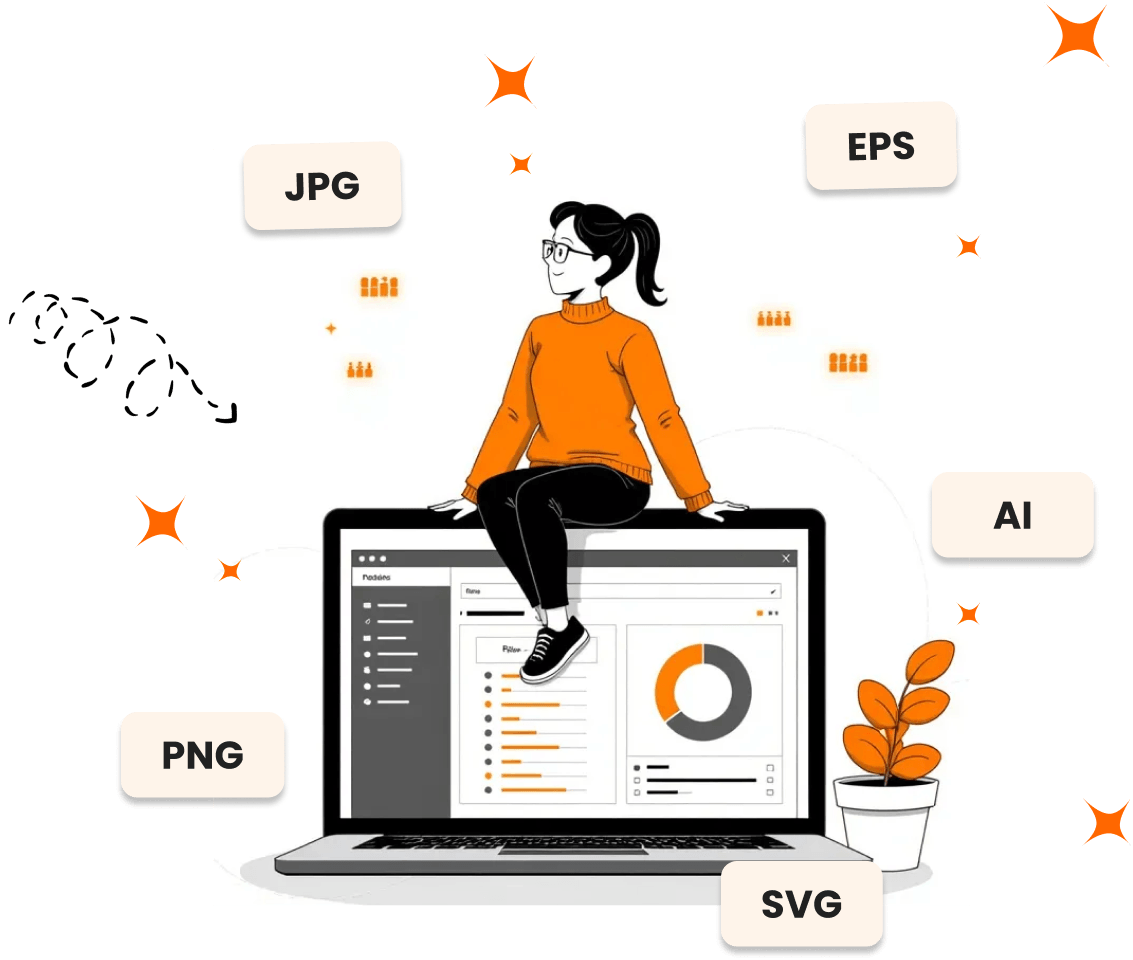
Export your illustration as

Royalty free, commercial use license included

SVG
PNG
AI
EPS
JPG

How Does it
Work?

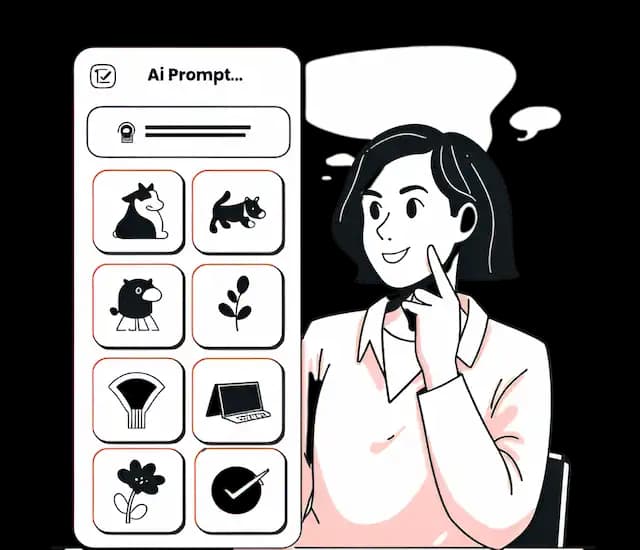
Upload reference images from your brand, and let our AI create new illustrations that match your style


How does it work
How does it work
How does it work
How does it work
Dog walking.webp
Dog walk.webp
Dog walking in park.webp
ArrowHow does it work
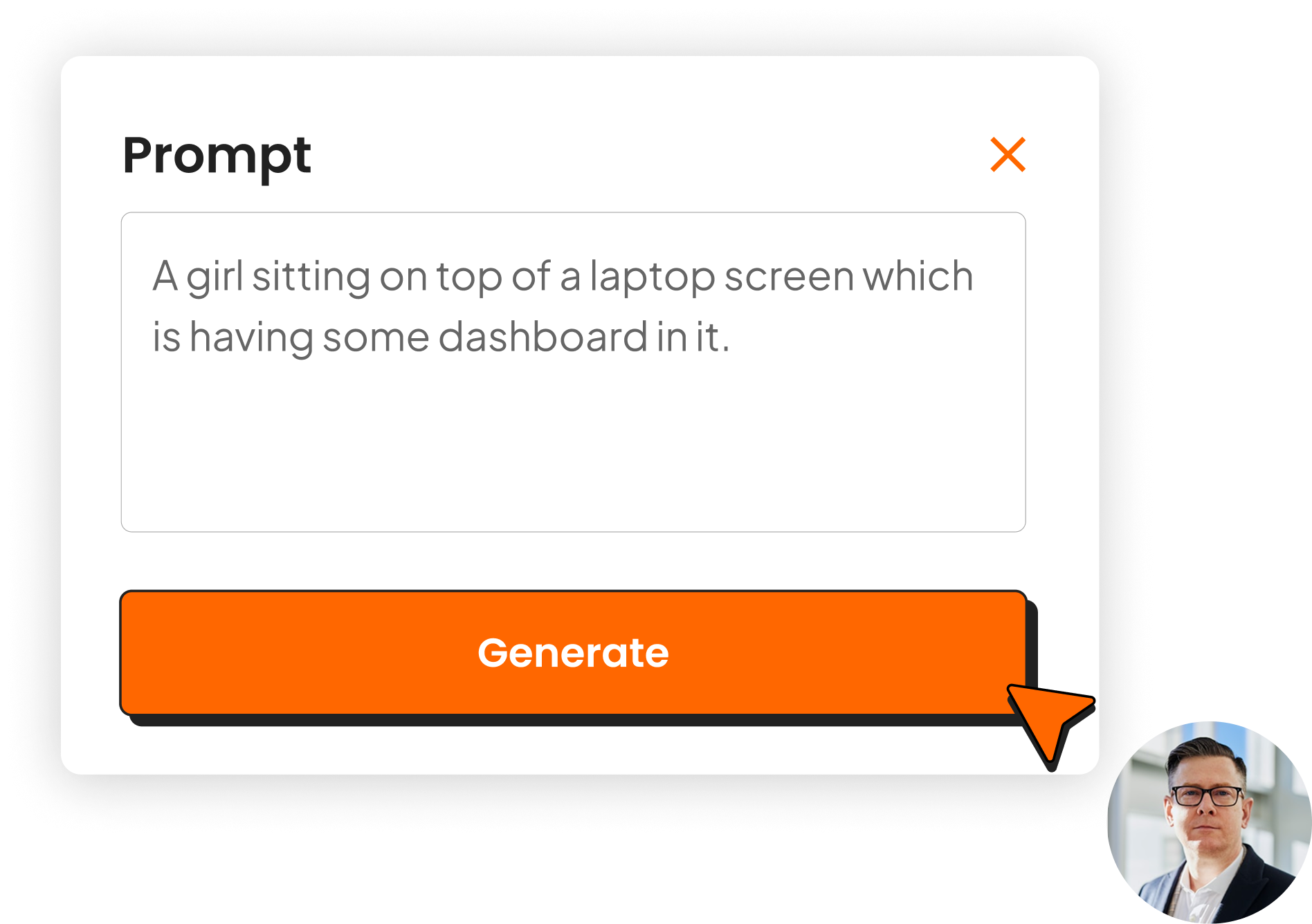
Prompt Input

See it in
Action

Watch how easy it is to create stunning illustrations that match your brand

Get a
Brand refresh

Your brand needs creativity, consistency, adherence and more.

Show your personality

Show your personality

Let your illustrations reflect your brand's unique personality and values

Unique illustrations

Unique illustrations

Go beyond stock photos, create unique illustrations that are unique as you are

Stay brand compliant

Stay brand compliant

Generate consistent visuals that strongly adhere to your brand guidelines.

Pick from
Popular styles

Explore popular illustration styles that are loved by popular brands and creative individuals. Pick a style and get started in a jiffy.


Get your
illustration packs

Explore custom trained illustration packs for marketing, e-commerce, social media, and more to kickstart your projects


Packs preview 1
Packs preview 2
Packs preview 3
Packs preview 4
Wanderlust
A travel-inspired illustration pack for blogs, social media, and websites. From solo adventurers to scenic getaways, this collection captures the excitement of exploration, discovery, and relaxation. Perfect for travel agencies, lifestyle bloggers, and wanderlust-filled content!
7 illustrations
Packs preview 1
Packs preview 2
Packs preview 3
Packs preview 4
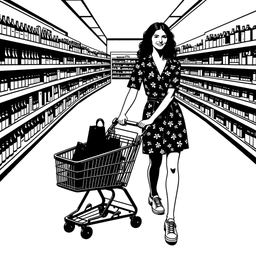
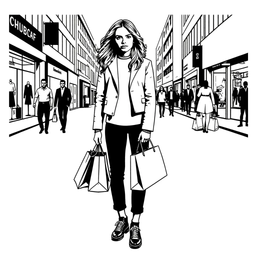
Shopping
A lively illustration pack that brings shopping to life! Capture both in-store and online retail experiences—from bustling mall aisles to dynamic digital storefronts
5 illustrations
Packs preview 1
Packs preview 2
Packs preview 3
Packs preview 4
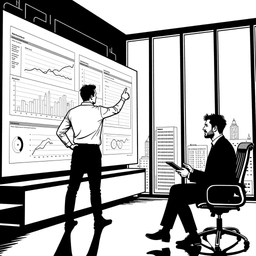
Digital Marketing
A dynamic set of illustrations showcasing marketers analyzing data, collaborating, and strategizing using laptops, dashboards, and whiteboards. Perfect for business and digital marketing visuals.
5 illustrations

Simple Scalable
Pricing

Your branded, custom licensed illustrations, for as low as 28 cents per illustration

Monthly

Yearly

HOBBY

$9 / month

Billed annually (Save upto 50%)


25 AI Illustrations (Credits)


Create 1 AI Style per month


Use Illustration Packs


Use Predefined Styles


For Commercial use


Export to Image formats PNG, JPG, WebP


Export to Vector formats SVG, AI, EPS


1 Team Member (Individual Use)

BASIC

$17 / month

Billed annually (Save upto 50%)


75 AI Illustrations (Credits)


Create 1 AI Style per month


Use Illustration Packs


Use Predefined Styles


For Commercial use


Export to Image formats PNG, JPG, WebP


Export to Vector formats SVG, AI, EPS


Up to 5 Team Members

MOST POPULAR

PRO

$49 / month

Billed annually (Save upto 50%)


500 AI Illustrations (Credits)


Create 3 custom AI Styles per month


Use Illustration Packs


Use Predefined Styles


For Commercial use


Export to Image formats PNG, JPG, WebP


Export to Vector formats SVG, AI, EPS


Up to 10 Team Members

BUSINESS

$149 / month

Billed annually (Save upto 50%)


1500 AI Illustrations (Credits)


Create 5 custom AI Styles per month


Use Illustration Packs


Use Predefined Styles


For Commercial use


Export to Image formats PNG, JPG, WebP


Export to Vector formats SVG, AI, EPS


Up to 15 Team Members

Community
Creations

Discover thousands of illustrations created by our community. See how different styles transform the same concepts into unique visual stories.

+
Illustrations Created
+
Active Creators
+
Downloads
+
Popular Styles
help me to geneate image based on findings- The study identified that the adoption of orchard management practices is influenced by a several factors including socio-economic factors, institutional & policy support and access to information & technology (figure 5). 
3.6.1.1. Agro-climatic and environmental conditions: In precision horticulture, decision support tools play an important role offering real-time insights into orchard conditions and thereby facilitating informed decision making regarding various orchard management practices. The adoption of precision farming techniques in fruit production is an ongoing endeavor and depend upon factors such as regional climate, crop type and availability of technological infrastructure (Kodors et al., 2024). Soil quality, water availability, temperature and rainfall patterns significantly affect the selection and effectiveness of orchard practices. Farmers have reported losses due to various adversities such as 27.7% by hailstorms, 23.4% by erratic rainfall, 85% by drought and rain-induced fruit cracking (Poudel et al., 2022; Correia et al., 2020; Balbontin et al., 2013; Fereres et al., 2003). The prevalence of acidic soil which has low levels of essential exchangeable bases like calcium, magnesium, potassium and sodium are also linked to reduced productivity (Natale et al., 2012). To enhance the productivity of farmers, selection of crop varieties, rootstocks and cultivation techniques that are suitable with regional temperature, rainfall, soil type and water availability is essential (Morariu et al., 2025; Kodors et al., 2024).
3.6.1.2. Socio-economic factor: The adoption of OMPs is strongly influenced by farmers' income levels, education, landholding size and access to labor. Educated and experienced farmers were more receptive to innovations as they possess greater ability to access, interpret and utilize technical information (Wei et al., 2026; Timsina et al., 2025; Nigussie et al., 2019; Ramirez, 2013). Similarly, households with secondary sources of income tend to invest more in improved technologies (Timsina et al., 2025; Nigussie et al., 2019; Mariano et al., 2012) whereas large-scale farmers were more likely to adopt labour-intensive practices (Timsina et al., 2025). These findings support DOI theory which posits that adopter characteristics play a critical role in the diffusion of innovations.
3.6.1.3. Institutional & policy support: According to Timsina et al., 2025; Panta et al., 2023; Nigussie et al., 2019, institutional support is one of the most influential antecedents. Research intervention helps to bridge knowledge gap and offers location specific recommendation. Access to subsidies positively influence the adoption of practices like mulching, application of bordeaux mixture & micronutrient (Panta et al., 2023). This highlights the role of financial support mechanisms in facilitating the adoption of improved orchard management practices by alleviating the financial constraints on farmers (Nigussie et al., 2019). 
3.6.1.4. Access to information & training, association and extension services: It serves an important role by providing farmers with essential knowledge like identification and control of diseases and empowering them to implement effective OMPs (Timsina et al., 2025; Muriithi & Mariara, 2022). Active participation of farmer in training programs and extension services enhances their understanding of technologies and enable them to operate tools more effectively and efficiently. Association or collaboration with fellow farmers to share resources and acquire knowledge can reduce technology expenses (Kodors et al., 2024; Muriithi & Mariara, 2022; Nigussie et al., 2019; Barrett et al., 2012). With the growing use of digital and artificial intelligence-based tools in orchards, access to digital infrastructure and the digital literacy of growers are also becoming important antecedents of adoption. The uptake of precision and AI driven technologies depends on the availability of technological infrastructure and the capacity of growers to interpret and act on the information these tools provide (Kodors et al., 2024). Consistent with the Technology Acceptance Model, growers are more likely to adopt such tools when they perceive them as useful and easy to operate.
3.6.2. Decisions: Orchard management practices
Decisions are the acts of response to preceding factors and are positioned between antecedents and outcomes. These preceding factors may stimulate response towards adoption that ultimately leads to specific outcome. We identified seven decisions on orchard management practices implemented based on the antecedents and the practices are as follows:
3.6.2.1. Site Selection and Land Preparation 
Site selection and land preparation are fundamental decisions that influence the long-term productivity, sustainability and profitability of orchards. The reviewed studies consistently highlighted that the suitable site depends on factors such as climate, soil characteristics, water availability, topography and accessibility (Dickson et al., 2000). Climatic factors like temperature, rainfall and frost risk determine the suitability of fruit crops in specific locations (Meza et al., 2023). Prior to planting, soil testing is essential to assess fertility and pH levels (Srivastava & Singh, 2009). Once the site has been selected, proper land preparation creates favourable conditions for the establishment and growth of trees (McCarthy et al., 2017). Studies have emphasized the importance of adopting suitable planting systems and orchard layouts such as square, rectangular/contour layouts, etc. according to topography and climatic conditions to maximize space utilization and facilitate orchard operations (Trentacoste et al., 2015). Enhancing orchard yields and improving fruits’ pomological characteristics depends on modern planting systems, efficient resource use, balanced fertilizer application and adaptability to environmental conditions (Morariu et al., 2025). In hilly and mountainous regions, reduced tillage and the use of cover crops such as cereals, legumes, natural vegetation have been widely adopted to mitigate soil erosion, reduce nutrient leaching and improve soil water retention capacity (Silveira et al., 2022). Similarly, conservation management practices enhance soil health by augmenting soil organic carbon (SOC) nutrient cycling, primarily through incorporation of organic matter inputs (Rusu et al., 2025; Jakhro et al., 2025).
3.6.2.2. Training/Pruning/Canopy Management
Training, pruning and canopy management are among the most widely reported orchard management practices in regulating tree architecture, improving light distribution and enhancing productivity and fruit quality. Modern orchard systems are designed to optimize light interception and simplify maintenance and ensure uniform light distribution within the tree canopy (Pacchiarelli et al., 2026; Cheesman et al., 2025; Portarena et al., 2024; Kviklys et al., 2022; Anthony & Minas, 2021; Rodrigues et al., 2018; Zhang et al., 2015). In low-density orchards, dense canopies often restrict light penetration to lower branches resulting in reduced yield and need for ladders during management tasks (Ye et al., 2025), while high-density planting systems, characterized by better light penetration, greater number of trees per hectare, enhance overall productivity but often result in competition for light and nutrients, increased pest & disease risk, which may negatively affect fruit size and quality (Muhie et al., 2026; Pacchiarelli et al., 2026; Morariu et al., 2025; Kitajima et al., 2025; Ye et al., 2025; Ling et al., 2025; Ladon et al., 2025; Ladon et al., 2024; Maldera et al., 2023; Hayat et al., 2022; Soysal et al., 2019; Cristofori et al., 2008; Unrath, 2003). To maintain canopy structure and sustain productivity, timely training and pruning are essential (Nancy et al., 2026; Xiang et al., 2025; Morariu et al., 2025; Annabi et al., 2025; Mir et al., 2018; Atay, 2017; Yildirim et al., 2010; Predieri et al., 2003; Unrath, 2003). Training systems regulate canopy vigor and structure, improve light distribution and enhance harvest efficiency & fruit quality (Dias et al., 2025; Cheesman et al., 2025; Pieper et al., 2024; Anthony & Minas, 2025; Barman et al., 2021; Küçüker & Ağlar, 2021). The selection of training system and tree spacing depends on land availability, investment potential, soil & climate conditions, rootstock characteristics and the grower’s goals (Anthony & Minas, 2025; Morariu et al., 2025; Annabi et al., 2025; Neri et al., 2013). Techniques like branch-bending such as Tall Spindle system minimize apical dominance, balance vegetative growth and manage acrotony (Lauri, 2007). Recent advances indicate a transition from labour-intensive canopy management towards precision and mechanized approaches. The use of unmanned aerial systems (UAS) and UAV (unoccupied aerial vehicle) - based monitoring systems enable accurate estimation of tree height, crown area, volume and leaf area index (LAI), thereby supporting site-specific decision related to irrigation, fertilization, pruning and crop protection (Hobart et al., 2026; Tu et al., 2019). In response to labor shortages, contemporary orchard designs are incorporating mechanized pruning, canopy sensing technologies and robotic tools for horticultural operations (Rana et al., 2025; Anthony & Minas, 2021; Yildirim et al., 2010). Aligning appropriate training systems with well-matched scion-rootstock combinations can further improve operational efficiency and reduce dependence on manual labor (Ling et al., 2025). 
3.6.2.3. Weed management
Effective weed management is essential as weeds compete with fruit trees for water, nutrients and sunlight. Weeds can provide habitats for pests & rodents and interfere with orchard operations (Ferreira et al., 2025; Wolter et al., 2023; Hammermeister, 2016; Granatstein et al., 2014). Consequently, growers employ a range of weed control strategies depending on orchard age, production systems, labour availability and environmental considerations. The studies identified manual & mechanical removal, cultural practices, mulching and application of chemical herbicides as the major weed management approaches adopted in orchards (Mia et al., 2020; Singh et al., 2014). Manual and mechanical methods are often used in young orchards (Mhamed et al., 2024), while mulching with organic materials such as straw or synthetic options like black polythene can effectively suppresses weed growth and conserve soil moisture (Parmar et al., 2025; Zangoueinejad & Alebrahim, 2021). Similarly, living mulch and cover crops prevents soil erosion, minimize compaction and improves soil fertility (Granatstein & Sanchez, 2009; Granatstein & Mullinix, 2008; Goh & Tutua, 2004). Organic orchards involve methods such as use of host resistance, careful selection of rootstock and scion cultivars suited to the planting site (Ling et al., 2025; Silvestri et al. 2021; Paul & Aditi, 2009), application of biological control agents, soil amendments and cultural management techniques (Guerra et al., 2024; Shuttleworth, 2021; Zhu et al., 2018). Integrated weed management approaches, which combines multiple control methods has emerged as a suitable strategy for achieving long-term weed suppression while reducing dependence on herbicides (Monteiro & Santos, 2022). Studies have shown that cover crops substantially reduce bare ground and weed populations while improving soil organic carbon (SOC), nutrient availability, biodiversity and overall ecosystem functioning (Wang et al., 2026; Jakhro et al., 2025; Haring et al., 2024; Dichio et al., 2016; Ramos et al., 2010).
3.6.2.4. Irrigation
As water resources become increasingly limited, irrigation emerges as a critical component of sustainable orchard management (Ferreira et al., 2025; Kendall et al., 2022; Hahn et al., 2022; Zhang et al., 2018; Predieri et al., 2003). Adequate water supply directly influences tree growth, fruit yield, size and quality while both water deficits and excess water can adversely affect orchard productivity (Sharifi et al., 2026; Bringhenti et al., 2023; Opara et al., 2000). Therefore, irrigation decisions require careful consideration of water availability, soil characteristics climatic conditions and tree water requirements throughout different growth stages (Perulli et al., 2022; Caruso et al., 2022; Volschenk, 2020). The reviewed studies highlighted a gradual transition from conventional irrigation practices towards water-efficient technologies. Under-tree micro-irrigation systems such as micro-sprinklers, micro-sprays or drip irrigation have been increasingly adopted to improve water use efficiency and optimize crop performance (Sharifi et al., 2026; Bringhenti et al., 2023; Fentabil et al., 2016). In addition, regulated deficit irrigation (RDI), which involves the controlled application of water below full crop requirements during specific growth stages, has emerged as an effective strategy for conserving water without compromising yield and fruit quality (Chalmers et al., 1986; Kendall et al., 2021). Recent advances in precision agriculture have further transitioned irrigation management. 
Sensor-based irrigation systems, remote sensing technologies and data-driven decision tools enable growers to monitor soil moisture, assess canopy vigour and apply the right amount of water at the appropriate time (Sharifi et al., 2026; Kodors et al., 2024; Muñoz-Santisteban et al., 2025; An et al., 2025; Avioz et al., 2025; Caruso et al., 2022; Kendall et al., 2022; Tu et al., 2019). These technologies facilitate site-specific irrigation scheduling and reduce the risks associated with over- or under-irrigation. Collectively, the findings suggest that irrigation management is evolving from traditional scheduling practices towards precision-based approaches that enhance water productivity, improve resilience to climate change, and support sustainable orchard production.
3.6.2.5. Nutrient Management
Proper nutrient management ensures that fruit trees receive balanced and adequate supply of essential nutrients throughout their growth stages from planting to fruiting (Timsina et al., 2025; Silvestri et al. 2021; Zhou & Melgar, 2020; Carranca et al., 2018; Mays et al., 2015). Intercropping improves soil micro-ecological environment by influencing fauna and microorganism that results in enhanced nutrient availability, soil aggregate stability and increased soil carbon formation (Zhu et al., 2025). Nutrient management decision focuses on optimizing fertilizer application rates, improving nitrogen use efficiency and adopting environmentally sound fertilization schedules to minimize resource wastage and environmental pollution (Avioz et al., 2025). Adoption of soil-test based fertilization and recommended nutrients reduced environmental burdens by 44-56% compared with prevailing farmer practices (Wang et al., 2020).
Increasing attention has also been directed towards sustainable nutrient sources and soil health management. Utilization of organic manure, compost and cover crops enhances biological properties of soil, increased resource efficiency and higher productivity potential (Bai et al., 2026; Wang et al., 2026; Mehta et al., 2025; Jakhro & Li., 2025; Srivastava et al., 2021; Haberman et al., 2019; Dutta et al., 2010). Similarly, intercropping systems improve soil micro-ecological conditions by enhancing nutrient cycle, soil aggregation and carbon sequestration (Zhu et al., 2025). In contrast, excessive reliance on inorganic fertilizers and intensive tillage practices results in nutrient imbalances, soil degradation and reduced water-holding capacity (Wang et al., 2026; Liu et al., 2024; Zhang et al., 2022, 2024; Vasilikiotis et al., 2020; Abdelrahman & Darwesh, 2020). Researcher recommended rational fertilization of fruit trees to achieve a balance between the annual nutrient requirements and nutrients depleted through orchard management practices i.e., pruning, thinning fruitlets harvesting and natural occurrences like leaf fall (Zhou & Melgar, 2020; El-Jendoubi et al., 2013; Roccuzzo et al., 2012; Rodrigues et al., 2012). 
3.6.2.6. Pest and disease management
Pest and disease management is essential for maintaining tree health, high-quality fruit production and minimizing economic losses (Joshi et al., 2016; Damos et al., 2015; Peck et al., 2006). Orchards are susceptible to various pests and diseases that can impact yield and fruit quality if not managed properly (Gitea et al., 2019; Peck et al., 2006). Effective control of pest and disease starts with regular monitoring and early detection through field inspections, pheromone traps and disease forecasting tools (Holb et al., 2012). Managing pests and diseases in orchard practices involves integration of functional biodiversity, effective soil management and strategic fertilization approaches (Furmanczyk et al., 2022; Ben-Hamo et al., 2020; Damos et al., 2015). Cultural practices such as routine sanitation, pruning, crop rotation and timely application of pesticides help in minimizing the incidence and severity of dieback disease in fruit and agronomic techniques like grafting and wounding can reduce risk of disease development (Furmanczyk et al., 2022). Integrated Pest Management (IPM) is widely recommended which integrates cultural, mechanical, biological and chemical control methods to manage pest populations in an environmentally sustainable manner (Schaeffer et al., 2021; Damos et al., 2015; Bouvier et al., 2005). 
3.6.2.7. Harvesting 
Harvesting at proper timing is essential to ensure that fruits are picked at their best maturity and balancing factors such as size, color, firmness & sugar content to obtain fruit quality, market value and overall profitability (Annabi et al., 2025; Tahir & Nybom, 2013; Beckles, 2012; Tahir et al., 2008). Early harvest produces poor flavor and underdeveloped fruit (Li et al., 2015; Kadar, 2008) whereas delayed harvest increases the risk of over-ripening, susceptibility to pests & diseases and post-harvest losses (Zhang et al., 2021; Bill et al., 2014; Beckles, 2012). Proper maturity at harvest significantly influences fruit quality (Neves et al., 2022; Li et al., 2015). Efficient harvesting method using appropriate tools and careful handling, help prevent physical damage to the fruit and tree (Dyjakon, 2019; Hussein et al., 2018; Sivakumar et al., 2011; Opara, 2007). In many orchards, selective/staggered harvesting is practiced to accommodate uneven ripening, allowing multiple pickings to maximize yield and quality. However, repeated harvesting operations increased risk of bruise damage or mechanical injury of fruits and require proper handling & transportation (Hussein et al., 2018; Mio et al., 2011; Sivakumar et al., 2011). The integration of automation has shown useful in minimizing such losses, as Imanbayeva et al. (2025) reported that dual-manipulator robotic systems achieved harvesting rates of 12 trees per hour while reducing fruit losses from over 30% under manual harvesting to 14.5%. Following harvest, appropriate post-harvest handling including cleaning, grading, packing and storage is required to maintain freshness and reduce spoilage (Sivakumar et al., 2011). Proper storage conditions and the ability to maintain quality after harvest are crucial to safeguard quality and reduces losses, allowing farmers & traders to sell their produce at optimal prices (Silvestri et al. 2021; Sivakumar et al., 2011).
3.6.2.8. Artificial Intelligence and Machine Learning as Cross-Cutting Enablers
Across the seven decisions identified above, artificial intelligence (AI) and machine learning (ML) emerged as cross-cutting enablers rather than as a standalone practice. These technologies support data acquisition, prediction and automated decision-making that span site assessment, canopy management, irrigation, nutrient management and harvesting. Unmanned aerial systems combined with data-driven models have been used to estimate tree height, crown area, canopy volume and leaf area index, thereby informing site-specific decisions on irrigation, fertilization, pruning and crop protection (Hobart et al., 2026; Tu et al., 2019). Predictive models built on UAV-based multispectral imagery have been applied to forecast apple fruit diameter and length (An et al., 2025), while UAV-satellite data fusion has been used to predict canopy nitrogen content for site-specific fertilization (Avioz et al., 2025). Kodors et al. (2024) demonstrated an autonomous yield estimation system for small commercial orchards by integrating UAV imagery with AI, indicating the feasibility of low-cost decision support even for resource-constrained growers.
AI and ML also support the management of input use and labour-intensive operations. In irrigation and nutrient management, sensor-based systems, remote sensing and data-driven decision tools enable growers to monitor soil moisture and canopy vigour and to apply inputs at the appropriate time and rate (Muñoz-Santisteban et al., 2025; Caruso et al., 2022). For labour-intensive tasks, sensing and automation in pruning (He & Schupp, 2018), automated orchard equipment (Mhamed et al., 2024) and robotic harvesting systems (Rana et al., 2025; Imanbayeva et al., 2025) reduce dependence on manual labour and minimize fruit losses. Collectively, these applications indicate that AI and ML are progressively transitioning orchard management from experience-based and calendar-based decisions towards predictive and precision-based approaches. This transition is consistent with the Technology Acceptance Model, as growers adopt such tools when they are perceived as useful and easy to operate, and with the Technology-Organization-Environment framework, in which the availability and compatibility of digital infrastructure shape adoption.
3.6.3 Outcomes: Impact of Adoption
The adoption of OMPs has been associated with significant improvements in agronomic, economic, environmental and social performance. Timsina et al. (2025) reported that the adoption of practices like fertilizer use, pruning, pest and disease control and nutrient management was positively associated with education, ethnicity, labor availability, secondary income, extension access and subsidies. Intercropping was influenced by labor but negatively associated with education, income sources, orchard size and extension access while other practices showed no significant socio-economic association. Similarly, Wei et al. (2026) found that adoption of climate smart orchard management practices enhanced the technical efficiency of citrus farm in China. The study found 1% increase in the adoption of practices resulted in a 5% increase in citrus production. Education, orchard age, market contracts, extension services, government support and use of internet were the factors influencing the effectiveness of OMP. 
Effective site selection and land preparation enhance plant growth, ensure optimal soil conditions, proper drainage and favorable microclimatic settings (Jakhro et al., 2025; Srivastava & Singh, 2009; Dickson et al., 2000). Training/pruning/canopy management improve light penetration, thereby enhancing photosynthesis, reducing disease incidence, stimulate new vegetative growth, support fruit load and simplify orchard maintenance (Anthony & Minas, 2025; Ling et al., 2025; Ladon et al., 2024). Weed management improves orchard growth and yield, prevent harboring of pests & diseases and supports soil health, thereby creating a more favorable environment for fruit trees (Mia et al., 2020; Hammermeister, 2016). Nutrient management promotes vigorous plant growth, root development and long-term soil fertility, while efficient irrigation practices improve water-use efficiency and support critical stages of fruit development (Timsina et al., 2025; Mašán et al., 2025; Perulli et al., 2022; Caruso et al., 2022; Fentabil et al., 2016). Zhang et al. (2026) and Wang et al. (2020) reported that optimized fertilizer management significantly improved agronomic, environmental and economic performance. Farmers following the high yield-high partial factor productivity of nitrogen (HH) management strategies achieved 6-39% higher yields, reduced environmental impacts by 15-49% and increased economic returns by 17-58% compared with conventional management (Zhang et al., 2026). Integrated use of pest and disease management reduces production losses by controlled pest populations and minimizing disease incidence, thereby safeguarding yield and improving farm income (Furmanczyk et al., 2022; Damos et al., 2015). Increasing use of Unmanned Aerial Vehicles (UAVs) and satellites further support timely decision making through improved monitoring of crop health and site-specific management of irrigation, fertilization and pest control (An et al., 2025; Avioz et al., 2025; Kodors et al., 2024). In addition, harvesting at right time minimizes postharvest losses, improves fruit quality, enhances farmers’ livelihoods and market potential (Beckles, 2012; Tahir et al., 2008). More broadly, the integration of artificial intelligence and machine learning with these technologies improves the timeliness and precision of orchard decisions, thereby enhancing resource-use efficiency and yield while reducing input wastage (An et al., 2025; Avioz et al., 2025; Kodors et al., 2024).

Figure 5: ADO framework of OMPs
Based on observed outcomes of OMP adoption, the findings can be interpreted through established theoretical perspectives that provide deeper insights into growers’ adoption behaviour. Consistent with DOI theory, factors such as education, extension contact, farmer associations and access to information facilitate the diffusion of orchard management innovations within farming communities. TAM provides insight into the increasing adoption of precision orchard technologies, suggesting that growers are more likely to implement innovations such as UAV-based monitoring systems, smart irrigation technologies and decision-support tools when these technologies are perceived as useful and easy to operate. Similarly, the TOE framework highlighted that OMP adoption is shaped by the interaction of technological factors (availability, compatibility and complexity of innovations), organizational factors (farm size, labour availability, managerial capability and financial resources) and environmental factors (climatic conditions, institutional support, market pressures and policy incentives). Together, these perspectives broaden the understanding of the multidimensional factors underlying orchard management practice adoption.
186
36
1286
Process

How it works
1
Enter a URL
Scan any public website or page.

2
Review evidence
See scores, failed checks, warnings, screenshots, and supporting signals.

3
Fix and monitor
Use remediation guidance, MCP, CLI, or CI checks to improve readiness and prevent regressions.
185
35
1285
Process

How it works
1
Enter a URL
Scan any public website or page.

2
Review evidence
See scores, failed checks, warnings, screenshots, and supporting signals.

3
Fix and monitor
Use remediation guidance, MCP, CLI, or CI checks to improve readiness and prevent regressions.
184
34
1284
Zkopíruj tento text do AI generátoru:
Flat 2D tattoo stencil design, full leg sleeve layout on a clean white background. Black ink, minimalist fineline geometric style with dotwork shading. Top section: Spartan lambda symbol, heavy shaded tree roots, abstract family constellation dots connected by fine lines. Middle section: split face mask with NO text, surrounded by fine line Fibonacci spirals and moon phases. Bottom section: Central prominent classical stone pillar with a 'FOUNDATION' banner and text 'TRUST IS A CHOICE'. Orbiting the pillar in circular geometric paths are minimalist line-art silhouettes of a boxer, a runner, a cyclist, and a swimmer. Base: geometric river waves and a minimalist kayak. Coherent schematic map, high contrast, professional tattoo flash sheet, flat 2D artwork layout.
158
198
1258
Create a premium, modern lifestyle illustration of a stylish young woman standing confidently in a fashionable, elegant dress, smiling while using her smartphone. The phone is held at a slight angle so the screen is clearly visible to the viewer. Display the "Miss Bae" beauty shopping app interface prominently on the phone screen, with a clean, premium UI featuring beauty products, shopping categories, and the "Miss Bae" branding/logo clearly visible. Above the woman's head, include a soft comic-style thought cloud containing the exact text: "Let's shop beauty". The illustration should convey excitement about shopping for beauty products. Use a contemporary flat/vector or semi-3D illustration style with smooth gradients, clean lines, soft pastel colors (pink, lavender, peach, white), and subtle beauty-inspired elements like makeup brushes, lipstick, skincare bottles, sparkles, or floral accents in the background. The composition should be clean, premium, and suitable for a mobile app advertisement or social media campaign. The woman should appear confident, fashionable, and modern, with a friendly expression and stylish hairstyle. High resolution, crisp details, minimal background clutter, balanced lighting, commercial-quality digital illustration.**
157
197
1257
illustration of a child reading a book and studying. the child have  1 ponytail, in pink t-shirt and a skirt.
sitting on a chair with desk, with books on it. 
make multiple images of it
156
196
1256
illustration of a child reading a book and studying. the child have 2 1 ponytail, in pink t-shirt and a skirt.
sitting on a chair with desk, with books on it.
155
195
1255
buatlah ranggi rahimul insan seorang dosen di FPP UNP  menjadi batman  ilustrasi gambarnya
91
131
1191

Join our creative community and showcase your AI-generated illustrations

The AI Illustration Generator

We get it—crafting visuals that truly capture your brand's essence can be a daunting task. You've got a unique story to tell, but finding the right illustrations to match your vision often feels like an uphill battle. That's where IllustrationsAI.com comes in. We're here to lighten your load and bring your ideas to life with our AI vector generator, designed to create stunning, custom illustrations that speak your brand's language.

Why Illustrations

Visuals are more than just eye-catching elements; they're a powerful way to communicate who you are without saying a word. Whether it's for your blog, social media, or marketing campaigns, the right illustration can make all the difference in connecting with your audience.

Why Choose IllustrationsAI.com?

Create Custom AI Illustrations for Your Brand

Your brand is unique, and your visuals should be too. With our AI illustration generator, you can produce captivating illustrations that reflect your brand's personality and style. Say goodbye to lengthy design processes—now you can enhance your blog posts, social media content, and marketing materials instantly. Simply upload a few reference images that represent your style, and let our AI handle the rest. It's like having a dedicated design team at your fingertips, ready to turn your ideas into reality.

Flexible Formats Option

Are you an illustrator, a graphic designer or a marketing content writer who just wants a image that matches your brand - we understand the importance of flexibility. That's why we offer multiple export formats, including SVG, PNG, AI, EPS, and JPG. Whether you're sprucing up your website or creating print materials, we've got you covered. Plus, every illustration comes with a royalty-free, commercial use licence, so you can use your visuals anywhere without a second thought.

How it Works

Getting started is a breeze:

  • Upload Your Brand Images: Share some reference images that capture your brand's style..
  • AI-Powered Creation:Our AI gets to work, crafting new illustrations that seamlessly match your aesthetic..
  • Instant Results: : In just moments, you'll have custom illustrations ready to elevate your brand.

No complicated software or design skills are needed—just unleash your creativity!

Stay True to Your Brand

Consistency is key when it comes to building trust with your audience. We help you stay true to your brand by:

  • Showcasing Your Personality: Let your visuals reflect the unique values and character that set you apart.
  • Standing Out with Unique Illustrations: Move beyond generic stock images and create visuals that are that are truly one-of-a-kind.
  • Maintaining Brand Compliance: Ensure all your illustrations align with your brand guidelines for a cohesive look across all platforms.

Explore popular Illustrations`

Not sure where to begin? Dive into a variety of popular illustration styles loved by top brands and creatives. Choose a style that resonates with your brand, and you'll be up and running in no time.

Access Illustration Packs

Kickstart your projects with our tailor-made illustration packs designed for themes like marketing, e-commerce, social media, and more. Whatever your industry, we have visuals that fit perfectly. Once you have trained a custom AI style with us, you can access these packs to get your custom illustrations based on the selected theme of the pack.

Elevate Your Brand with IllustrationsAI

We believe that every brand has a story worth telling, and visuals play a crucial role in that narrative. Let us help you tell your story in the most authentic and engaging way possible.

Get Started Today and discover how easy it can be to transform your brand's visual storytelling. Share your feedback and suggestions with us on X.com @pauljeba

Transform your brand's visual identity and make a lasting impression with AI-powered vector illustrations.